Headlines Of The Day
Microsoft, Lightstorm partner to build India-Southeast Asia undersea cable
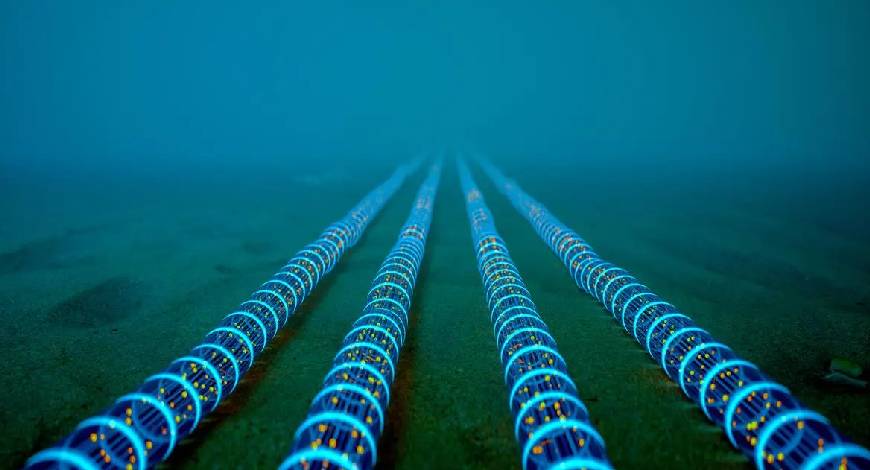
A consortium involving Microsoft, Lightstorm, Singtel and Tata Communications will build a new submarine cable system connecting India, Malaysia and Singapore, adding capacity to a corridor that is becoming increasingly important for cloud, AI and enterprise data traffic.
The system, called India Southeast Asia, or I-2SEA, is expected to be ready for service in the fourth quarter of 2029. It is being built for hyperscalers, GPU infrastructure providers and enterprises that need high-capacity links for AI training and inference workloads between India and Southeast Asia.
Lightstorm has signed contracts with Microsoft, Singtel and Tata Communications for the project. NEC Corporation has been appointed system supplier, while ASEAN Cableship Pte Ltd will handle marine installation. The system is now open for capacity commitments.
The cable will have two landings in India. One will be at Machilipatnam in Andhra Pradesh, giving Hyderabad a shorter subsea path to Southeast Asia. The other will be at a new landing site in South Chennai. Lightstorm customers will be able to connect the cable to the company’s terrestrial network of more than 30,000 km, extending reach to Hyderabad, Mumbai and over 80 data centres across India.
The project comes at a time when India’s data centre map is widening. Mumbai and Chennai remain the country’s main connectivity hubs, but Hyderabad and other inland markets are drawing more cloud, AI and enterprise workloads. A direct east coast route to Singapore and Malaysia would give operators another path for traffic and reduce pressure on existing landing hubs.
“As majority owner of I-2SEA and with SmartNet AI Fabric already delivering AI-ready transport across data centers and GPU clusters in India, we can now offer the natural extension of that platform into the subsea domain,” said Amajit Gupta, group CEO and MD of Lightstorm.
Gupta said the system would connect AI regions across India, Malaysia and Singapore through infrastructure designed for AI workloads.
I-2SEA will use a deep cable burial strategy, targeting a depth of three metres across buried sections. The approach is meant to improve protection and uptime, a critical factor for cables that carry internet traffic, cloud services and financial data across regions.
For Microsoft and its partners, the cable adds another layer of infrastructure in the race to secure capacity, latency and redundancy for AI systems. Training and inference workloads need fast, reliable connections across data centres, cloud regions and GPU clusters. I-2SEA is being built for that demand. PressInsider