Company News
SpaceX short selling bets increase after post-debut share selloff
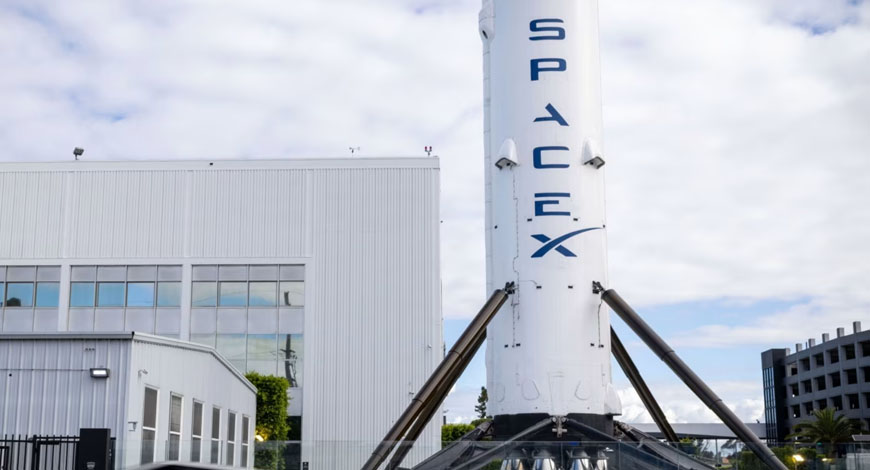
Short sellers have increased their bets on further falls in the share price of Elon Musk’s SpaceX after the stock’s drop from highs scaled immediately after its market debut on June 12, data and analytics company Ortex Technologies said.
SpaceX’s short interest, the total number of shares sold short as a percentage of the total shares available for public trading, is 13%, up from 8% in the prior session, Ortex said.
“Short interest in SpaceX is building remarkably fast for a stock that has only been public a couple of weeks,” Ortex co-founder Peter Hillerberg told Reuters.
The stock’s drop of about 30% from the high of $225.64, scaled days after its debut, amid a wider selloff has drawn short sellers at a faster-than-expected pace.
“A jump like this is a clear sign that a growing number of traders are positioning for the price to fall sharply,” he said.
SpaceX’s $2 trillion valuation makes it a target for short sellers looking to bet on a drop in the shares, but strong retail and institutional interest and Musk’s history of public battles against short sellers make that a risky proposition.
Initial euphoria over SpaceX has given way to more balanced trading as investors look to guard against further downside.
The cost to borrow, a gauge of demand to short a stock relative to the supply of shares available to lend, remains cheap at about 1%, Ortex data showed. It was as high as 14% when the shares started trading. Ortex sources its short selling data from daily global institutional stock lending inventories.
The Magnificent Seven stocks of Apple, Microsoft, Nvidia, Alphabet, Amazon, Meta, and Tesla are hardly shorted, with only about 1% to 3% of their free floats sold short. Borrow costs for them range from 0.25% to 0.33%, Ortex data showed.
Utilization, the share of available stock that is lent out, is about 39%, up from the mid-30s last week, signaling there is still ample supply available to lend, Ortex data showed.
While SpaceX may be facing selling pressure, its limited float size makes short sellers vulnerable to a “squeeze” if the shares were to jump in value for any reason, Hillerberg said.
With short interest at about 83 million shares, against the stock’s average daily volume of about 270 million, a short seller rush to buy back shares could drive the stock higher.
“That kind of forced buying can land right on top of any rally and accelerate it well beyond what the fundamentals alone would justify, which is the classic short squeeze dynamic,” Hillerberg said. Reuters